This week I started a new course as I work to get healthy again - a Coursera course by Case Western Reserve University called DESIGNING YOUR PERSONAL WEIGHT LOSS PLAN. Specifically, the course is described as:
“Losing weight and keeping it off requires planning and goal-setting. Crash diets or fad diets are ineffective and can be dangerous. This course provides evidence-based information for planning a weight loss program that is safe and effective in producing a one to two pound loss per week. This course will help learners establish the following:
A realistic goal weight with a specific plan for rate of weight loss and time frame for achieving goal weight.
A realistic goal for the frequency, duration, and intensity of exercise that will enable the learner to achieve and maintain the goal weight.
A specific set of strategies for grocery shopping, eating in restaurants, eating at social occasions, and dealing with hunger and emotional eating.
A plan for monitoring food intake, exercise and weight loss.
A plan for continued evaluation of progress to goals and strategies for adjusting goals for continued weight loss for the next 6 months or longer.
A thorough understanding of the difficulty of maintaining weight loss and a plan for maximizing the chances of keeping off the weight lost.”
01 - Introduction
“Let’s get started on designing your personal weight loss plan! We begin this first week by setting a personal goal weight that is realistic for you and making a plan for exercise. You probably expected that we would start out with calories and food - but these two topics are actually the right place to start!
Learning Objectives
Identify a realistic goal weight (Module 1).
Formulate realistic weekly and monthly weight loss goals and specify a time frame to achieve your goal weight (Module 1).
Plan when and how to monitor your weight as you begin to lose weight (Module 1).
Describe the principles of energy balance (Module 2).
Generate realistic goals for planned exercise frequency, duration, and intensity of specific activities (Module 2).
NOTE: Before starting the personalized nutrition and exercise plan, consult a doctor or your personal physician to ensure that the nutrition and exercise plan are appropriate for you, especially (though not only) with regard to diabetes, heart disease, cancer of any type, kidney disease, food allergies, and intolerances. This course and the information provided are not intended as a substitute for the advice or medical care of a qualified healthcare professional. Nothing contained in this course is intended as medical diagnosis or treatment. You should seek the advice of your healthcare professional before undertaking any dietary or lifestyle changes.”
This blog will serve as a repository of the work I do in this course in responding to various reflective writing prompts and assignments.
1.3. Introduce yourself to your peers! Let everyone know where you live, the name of your favorite grocery store, and what you're looking forward to from this course.
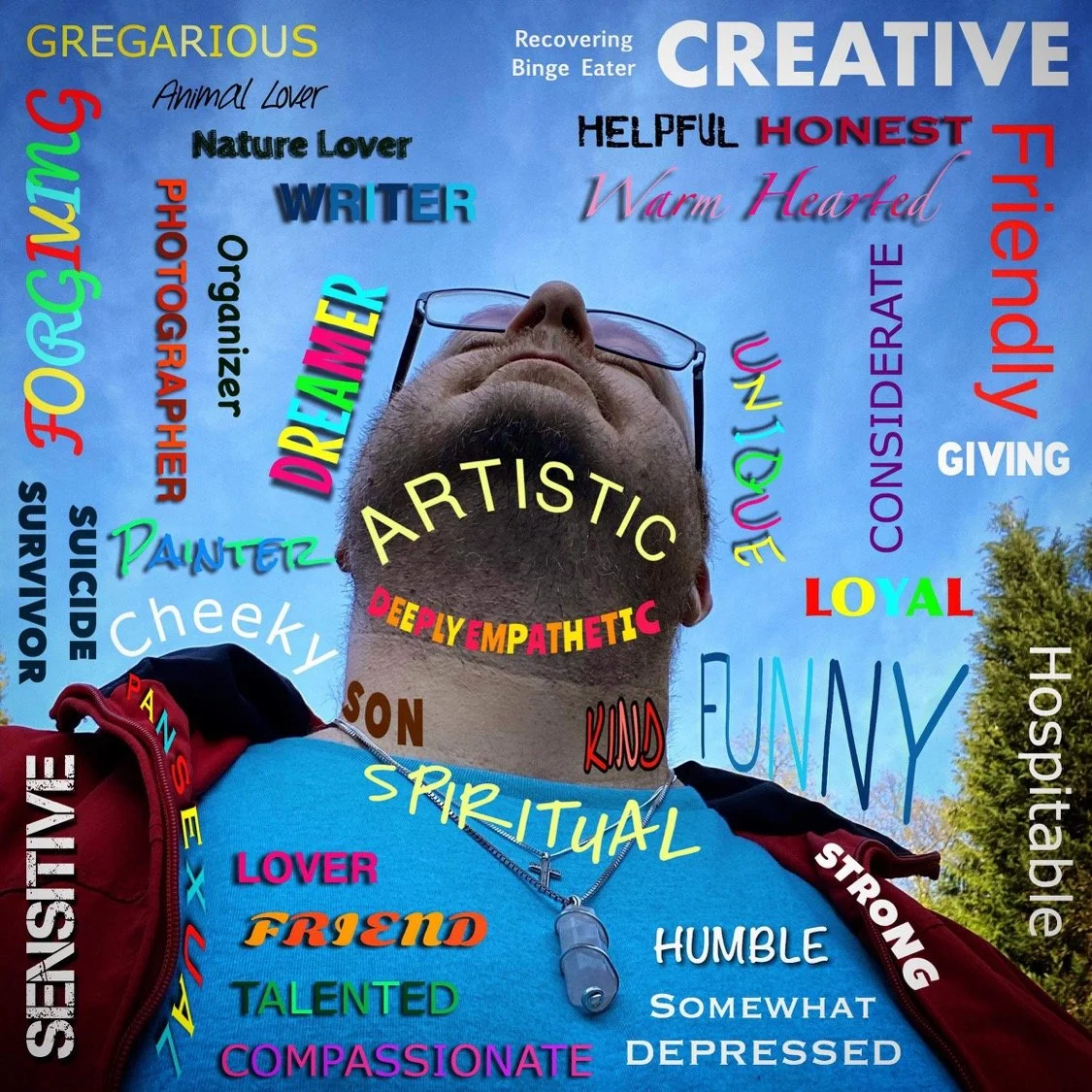
I’m Steven, and I live in Surrey, British Columbia, Canada. It’s about a 45 minute drive southeast of downtown Vancouver. I’m very close to the border with Washington State, and the city of Bellingham. Seattle is about a 2 hour drive south for me. But I digress.
I enjoy shopping around, so I don’t actually have a favourite store. Most often I go to a store called THRIFTY FOODS. I also go to CHOICES MARKETS which has a wider selection of organic and natural foods. I also like going to smaller specialty stores from time to time from a small deli that specializes in turkey products to local bakeries, and cafes. I will even drive into Vancouver to visit Granville Island Market as there’s a great butcher there, and many small shops and produce stands.
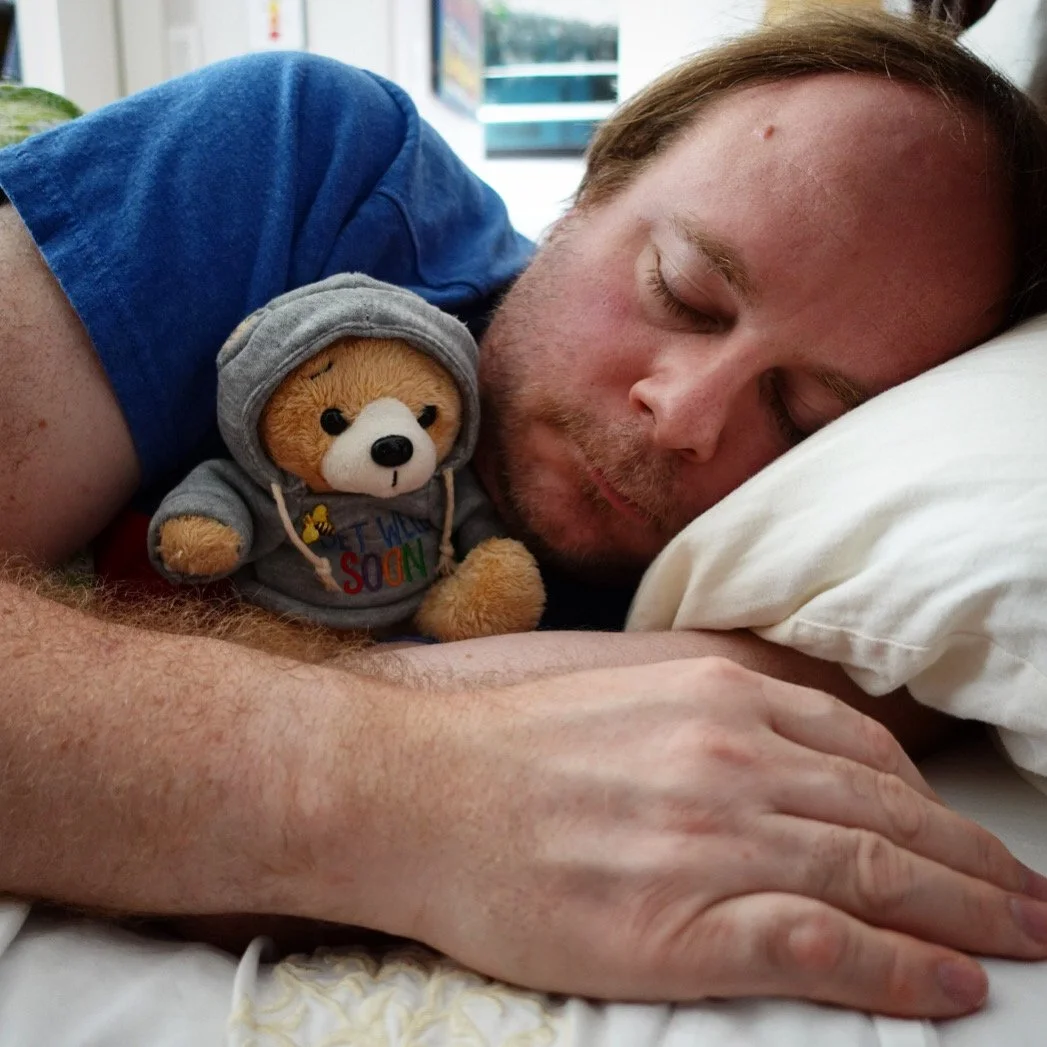
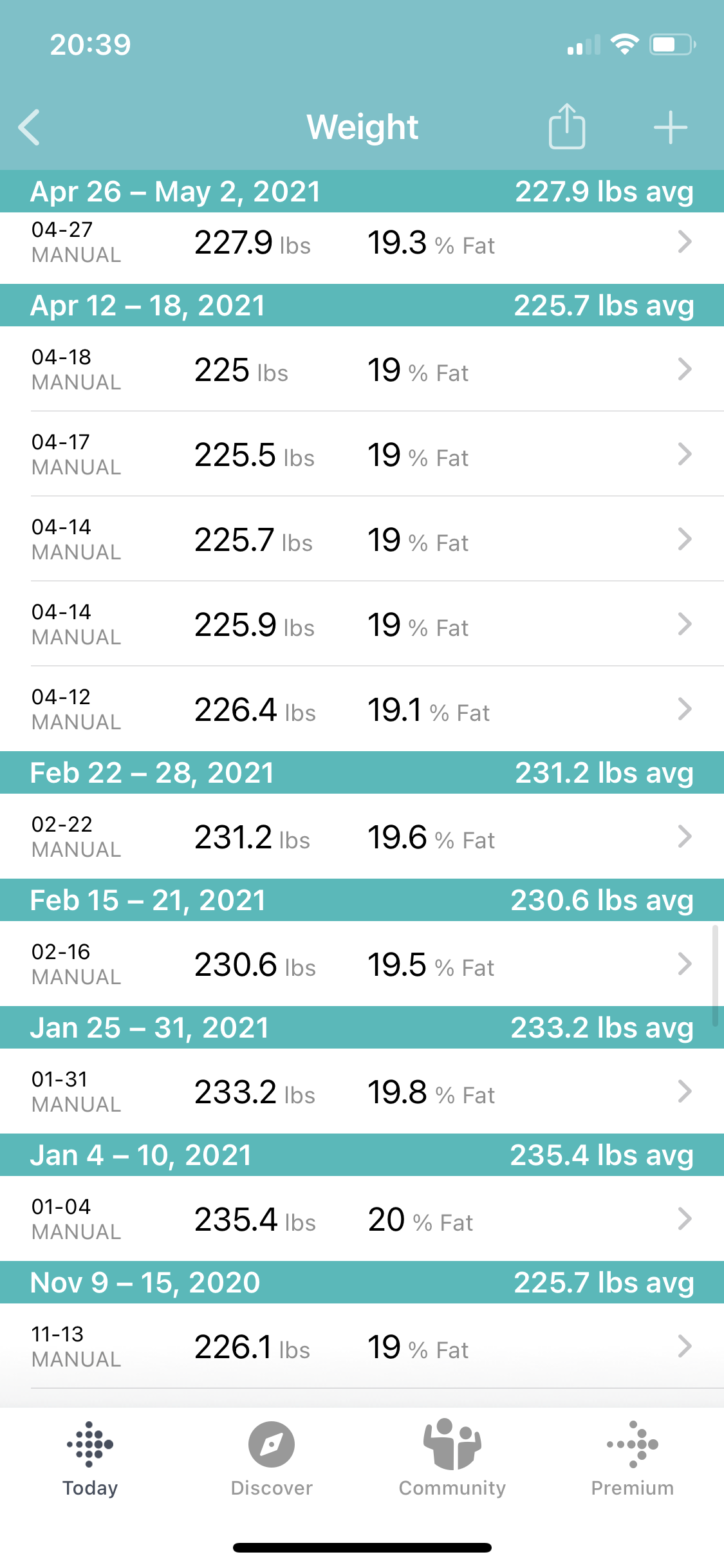
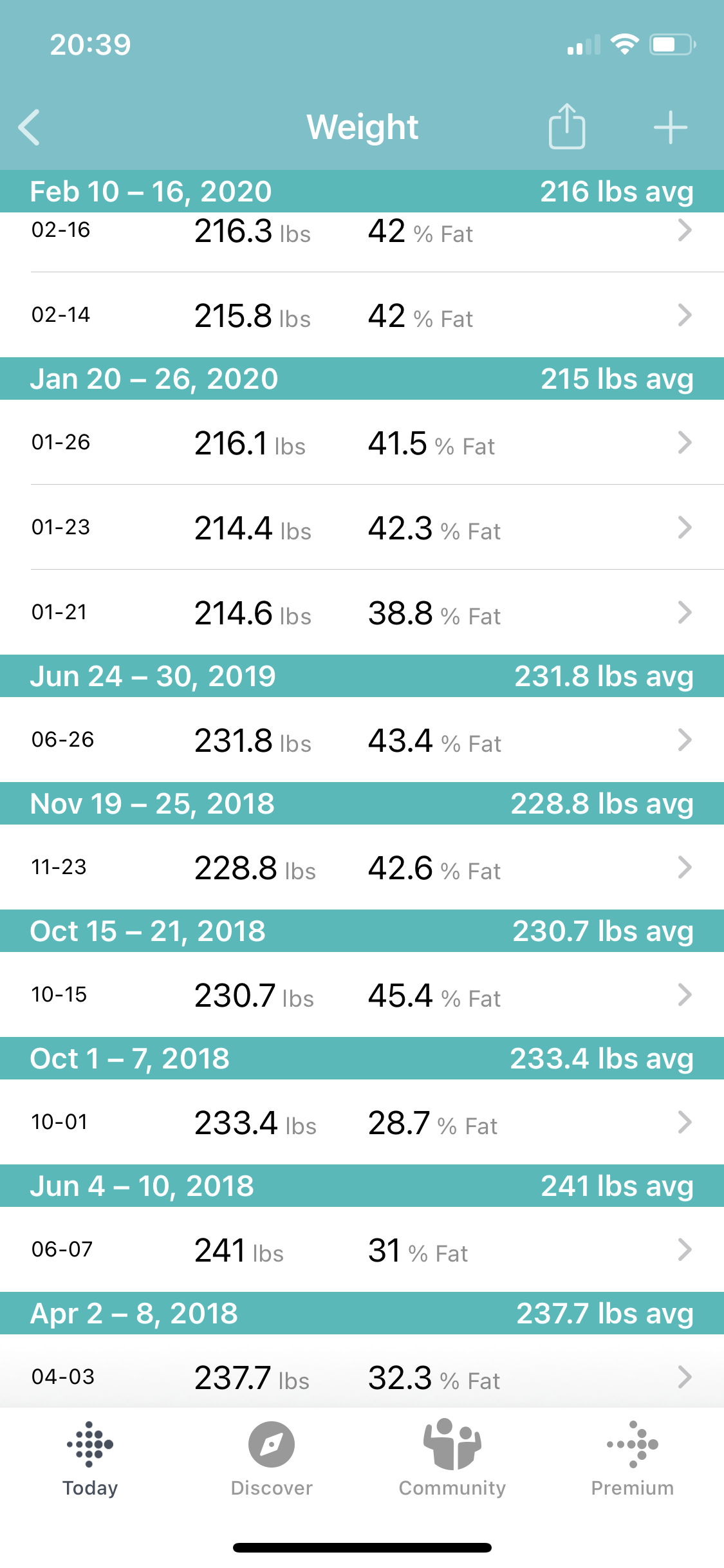
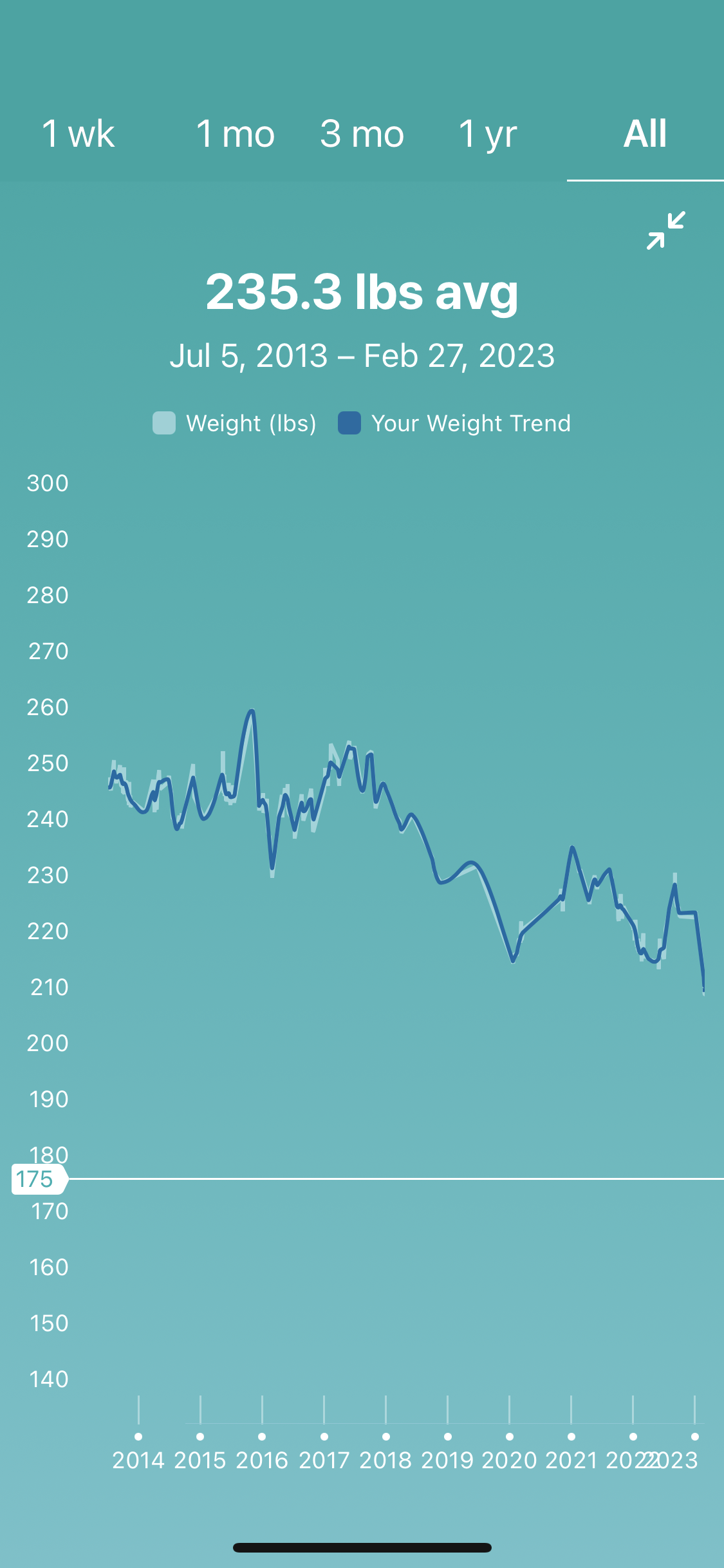
Unfortunately, I suffer from major depression and anxiety issues. It’s resulted in me often making really poor food choices, where I eat stuff high in carbohydrates and processed sugars. It’s resulted in my being overweight (at my heaviest I was almost 270-280 pounds, a weight which triggered severe back pain as my lower spine is fused together). I did lose some weight and in early 2020 I was about 210 pounds. Since then I have moved between that to 240 pounds, and found I was stuck between 220-225 pounds from late 2021 until January 2023. My poor diet also led me to develop type 2 diabetes and high blood pressure, and even higher cholesterol.
At the end of January, I suffered a stroke which has left my right arm, hand and fingers tingling and hard to move. I’ve come to kinda be able to ignore it. But what’s harder to ignore has been how my upper right arm and shoulder also feel as if a blood pressure cuff is always on the tightest inflated setting. When I get stressed, this feeling moves down my arm into my hands and fingers, making it impossible to move my arm at all. The stiffness also moves down my chest into my right leg. I’m getting more steady on my leg but it’s still weak. I especially notice it when I close my eyes while standing. Sometimes I use the cane my Dad had used in his old age near the end of his life. He almost saw 81 years on this planet, and I’m terrified if I don’t smarten up I won’t even reach 50.

I’m here as I want to get healthy. I had started eating better in January, but would still indulge. Since the stroke I’ve been stricter: avoiding most junk foods. I was hospitalized for a few weeks as my blood sugar readings were in the 20s, but we got it back down to the 5-7 range. I also contracted what turned out to be shingles and so I was isolated for that as they put me on a drug regimen for that. Since being released I’ve been good at avoiding all sodas, and I’ve reduced my carbs a lot. I’m eating a lot of fruits and vegetables. I eat a bit of cheese, nuts and organic meats: chicken, pork, and beef. And in the past few days I’ve done intermittent fasting, where I’ve fasted between 6pm in the evening until around 1pm the next day. I’m doing exercises that the hospital gave me and I hope to walk more again soon. I’ve noticed that since the stroke I’ve lost 13 pounds, probably from being sick. But it’s the first time since the late 1990s that I’ve ever been below 210 pounds. Ideally I want to land at 175 pounds, or if I weigh more have it be due to muscle mass and not body fat.
I want to do this. I need to do this.
02 - Setting Your Goal Weight
2.1. Determining Your Goal Weight
HIGHEST WEIGHT > The first step is to take a step back in time and think about what was your highest weight as an adult.
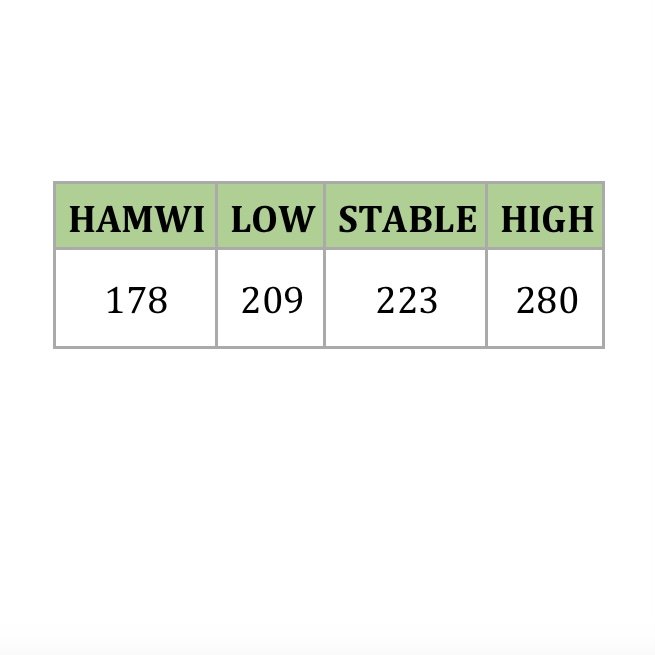
My highest weight as an adult was approximately 270-280 pounds, a weight I reached in 2014.
Think about how you felt physically at that weight, think about how you felt emotionally at that weight.
Physically, I was not able to move easily as I had an incredible amount of pain in my lower back. The pain was likely due to the fact that my lower spine has been fused since I developed in the womb and it can’t handle excess body weight on my stomach which is where it shows on my body when I put on weight. I also felt physically drained of energy.
Emotionally, it impacted my self esteem greatly as I felt even more unattractive and undesirable. As a result I would turn to comfort food, that is, to junk food, which would make it more difficult to lose weight.
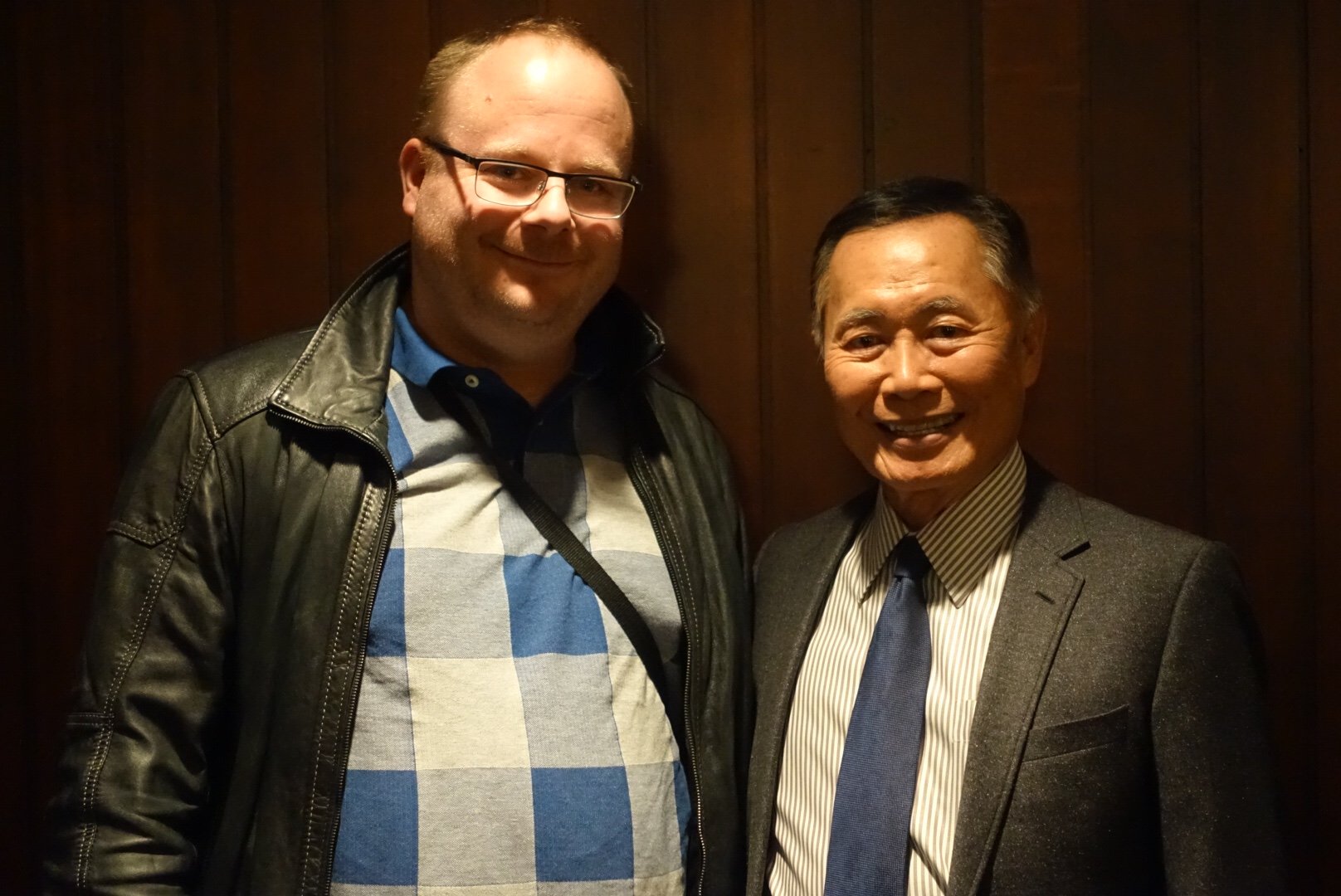
November 18, 2014 - Me, on the left, with actor George Takei. I’ve always been ashamed of how fat I looked here.
What kind of comments did people make to you, friends and family about you at that weight?
My Mom was concerned I had put on so much weight and we did have fights over it. My girlfriend at the time tried to get us to exercise but we often ended up not exercising. She’d also end up eating a lot of what I ate, and also put on weight. I had a homeless person poke me in the stomach once and ask when I was due.
And did you have any medical problems because of being at that weight?
In addition to the back pain problems I mentioned above, at one point I was diagnosed with fatty liver. My diagnosis of being pre-diabetic would come later when I lost about 30 pounds and was at approximately 240 pounds. That was also the time when my blood pressure had spiked. Even though I lost some weight I was inconsistent with eating properly.

December 2014 - Me, on the far left, getting a photo of my friends with Bill Nye. Trying to look happy, but so conscious about my body weight.
LOWEST WEIGHT > The second step is to think about what was your lowest weight as an adult and write that weight in your workbook and label it as low.
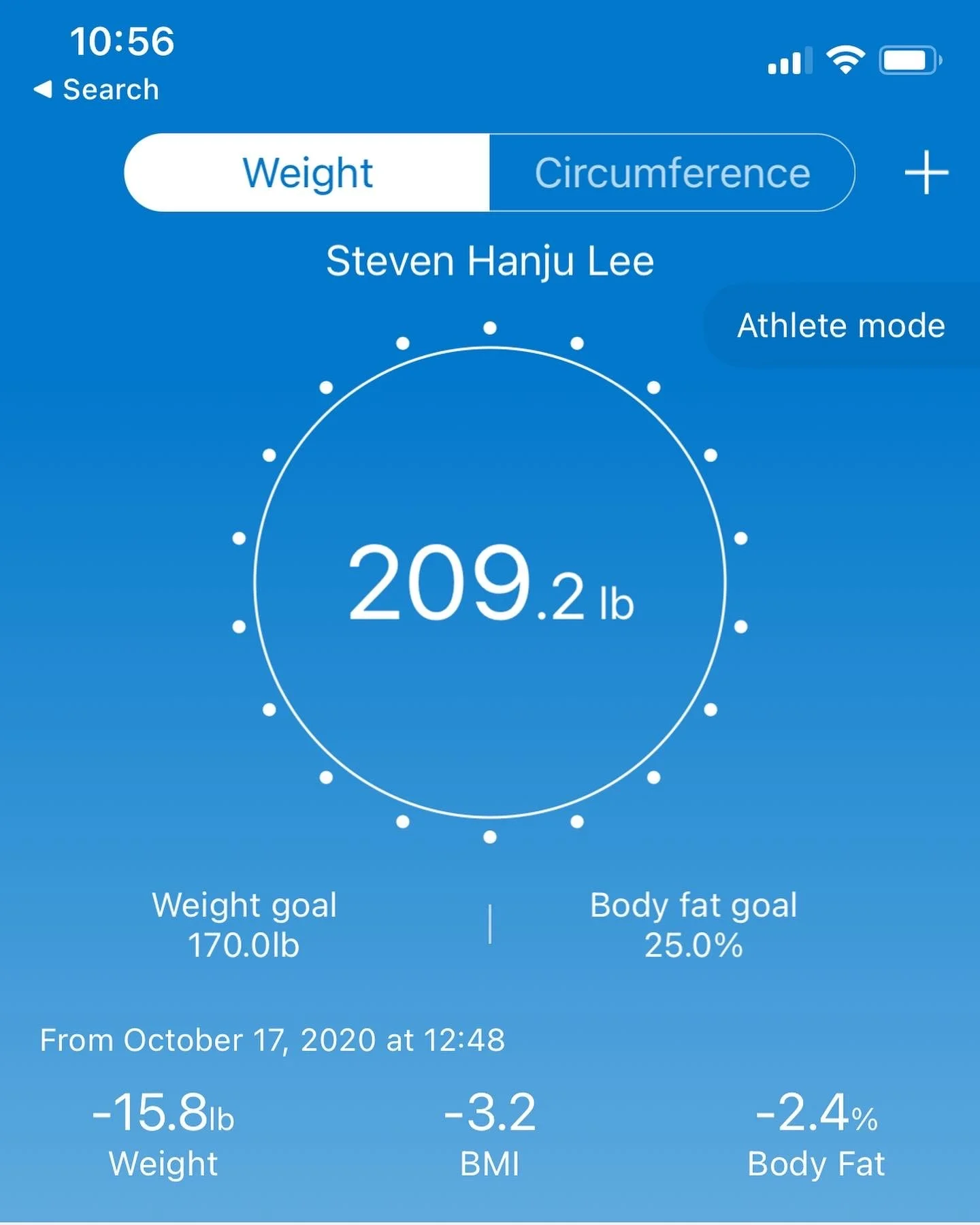
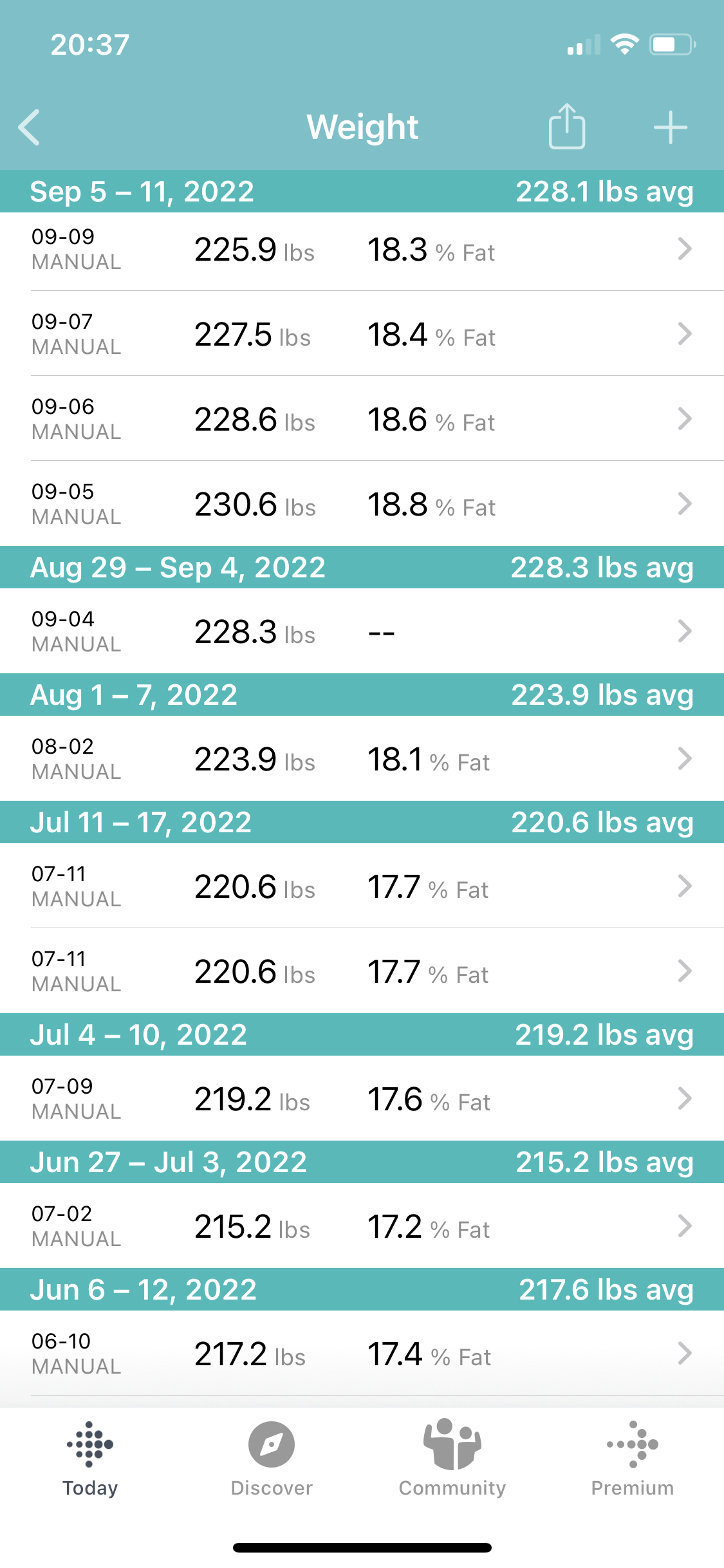
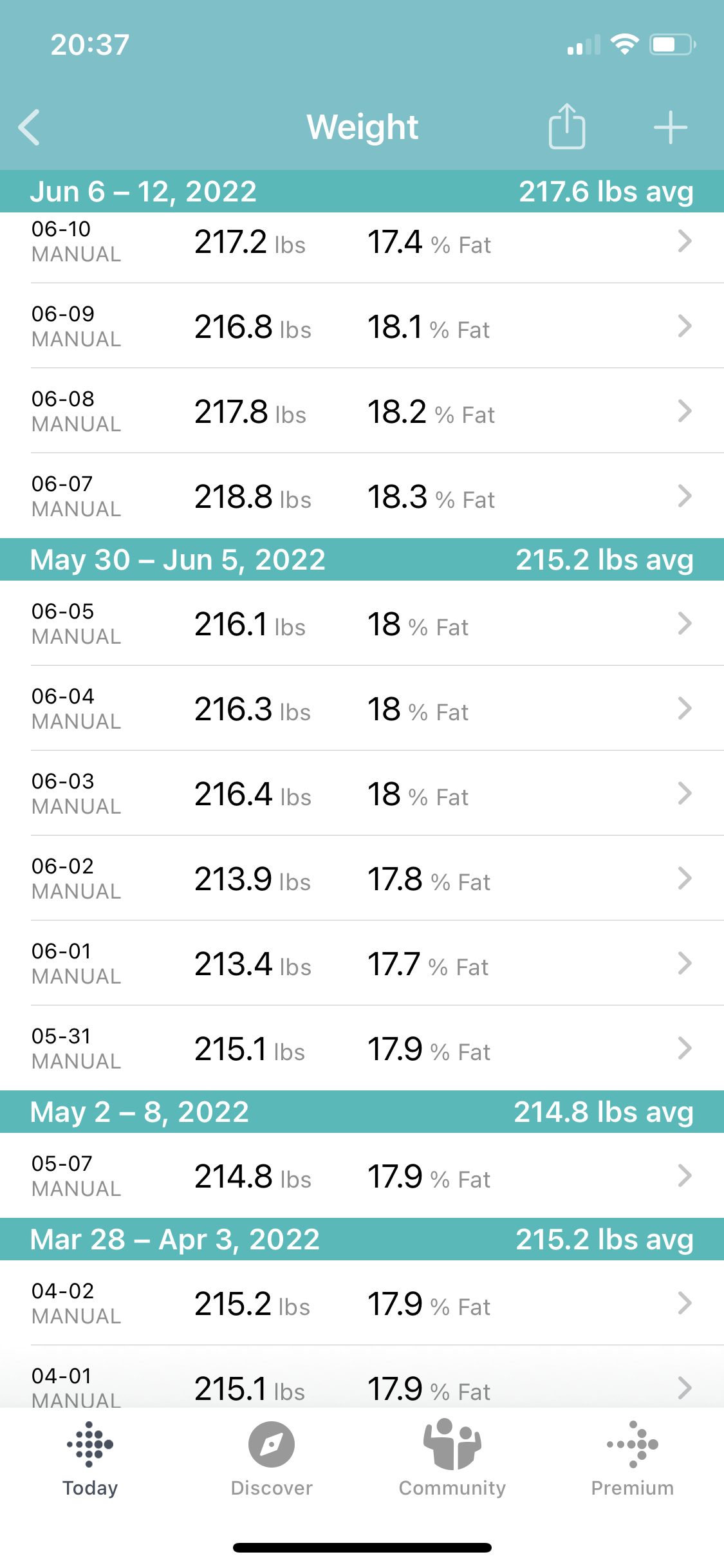
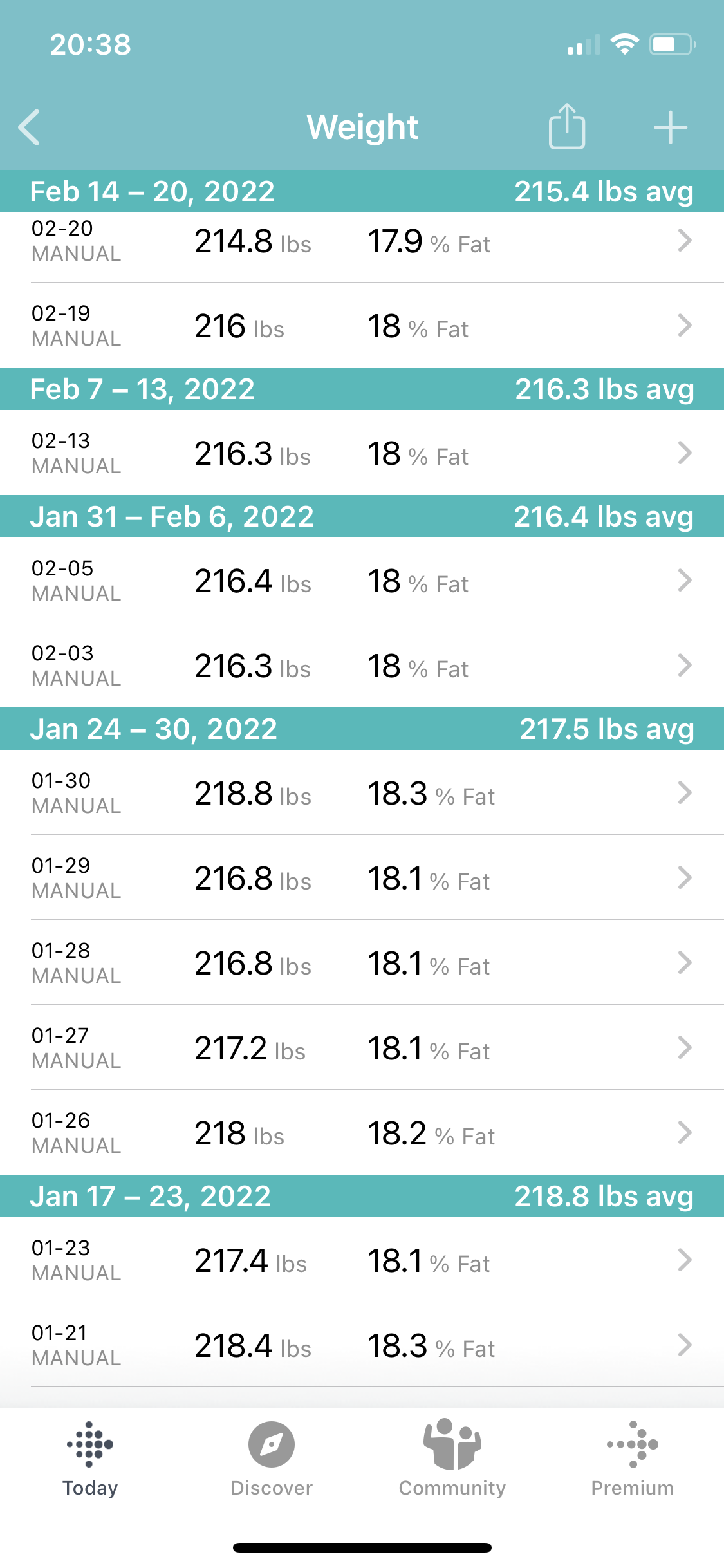
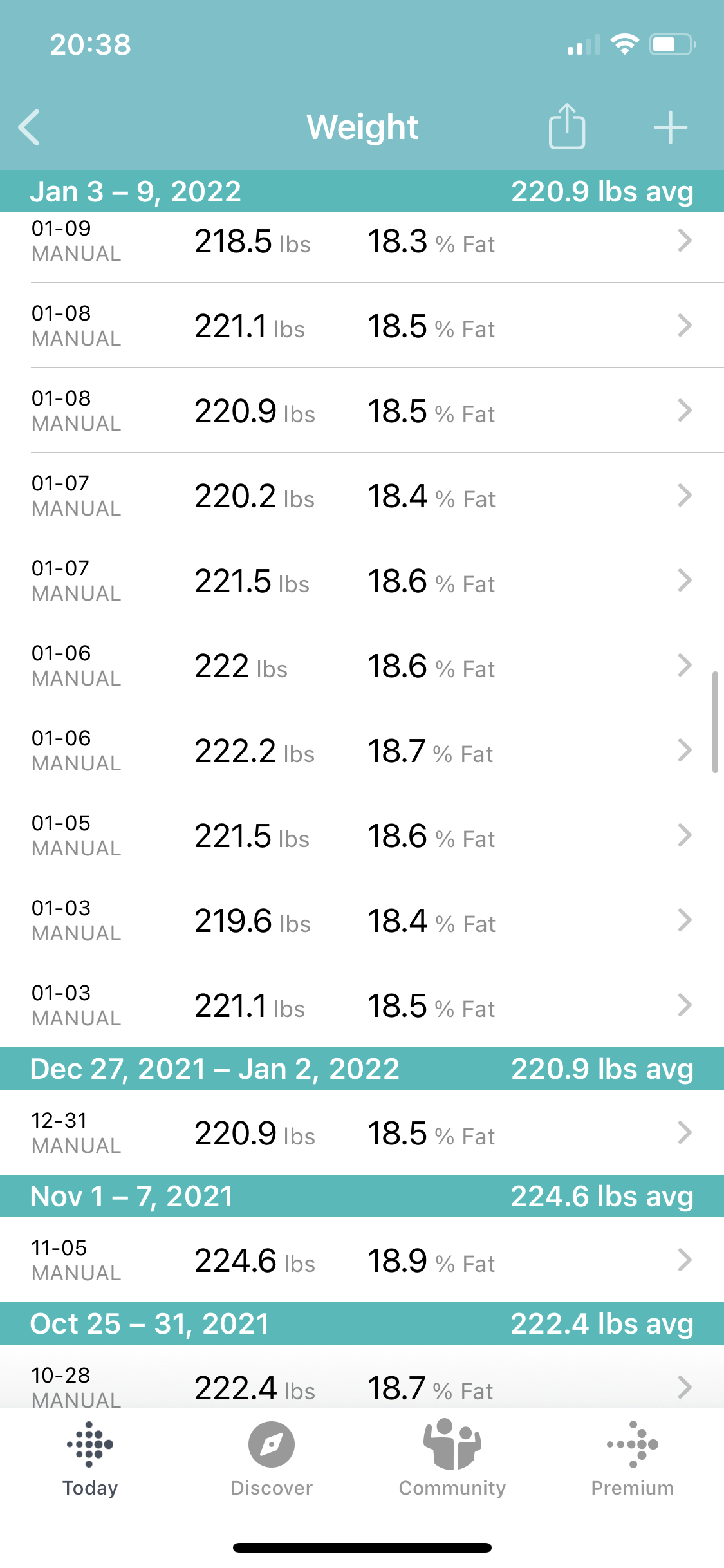
I’m currently at my lowest weight as an adult, at 209 pounds.
Again, how did you feel at that weight? Again, think about how you felt physically at that weight, think about how you felt emotionally at that weight.
I got close to this in early 2020. It was after a bout with what my doctor diagnosed as being bronchitis. But three different antibiotics in a row didn’t really help, and in hindsight I wonder if I might have had COVID. Overall, I feel really good about being back at this weight. It probably has to do with my having had a stroke, and contracting shingles. Before they diagnosed the shingles, I was really sick, and my temperature went up and down a lot. When it was high I was sweating a lot, drenching my hospital gown and sheets. Late one night a nurse was using towels and facecloths that had been soaked under cold water on my body and face to cool me off. The battle now is to work to maintain this weight and keep going lower.
What kind of comments did people make to you, friends and family about you at that weight?
I remember seeing one professor at university who I hadn’t seen in awhile and he tried to nicely say how he noticed I’d lost weight as he knew me when I was at my heaviest. I remember he was trying to dance around it and I filled it in for him - “I’ve lost weight” I said, and he said, “yes! I was trying to be nice but you look good.” He knew about my battles with my body image including how I ate too much junk food, as he was a fine art teacher and some of my past artwork dealt with that.
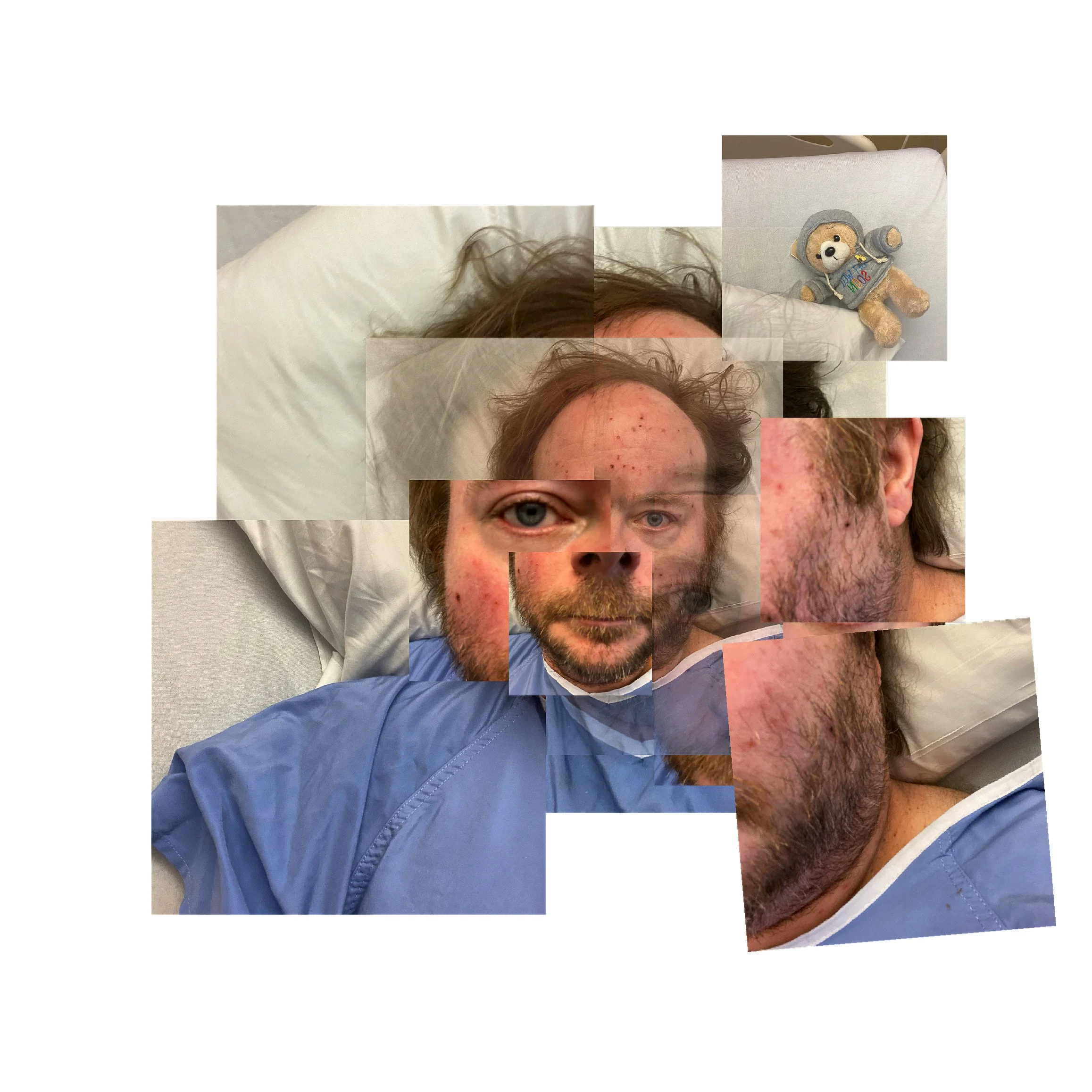
February 12, 2023 - I didn’t know it yet but I had shed about ten pounds in the hospital at this point and was probably at around 212 pounds. By the end of February 2023 I’d hit 209 pounds, the lowest I’ve ever been since I was in my late teens.
STABLE WEIGHT > The third step is to try to think about what weight you usually keep coming back to when you're not gaining weight and you're not dieting. So this is what we would call your stable weight and also think about how you felt at that weight. Write that weight in your workbook and label it as stable.
For several years I felt stuck around 240 pounds, and for the last two years I’ve felt stuck at 220-225 pounds. So it’s safe to say that my most recent stable weight has been 223 pounds. At both of these levels I felt stuck, and I often wondered if I’d ever be able to break that barrier to lose more weight. It fed my monkey mind and my depression as I’d often tell myself how useless I was, and that I’d never be able to lose the weight.
IDEAL BODY WEIGHT > The fourth step is a little more complicated and that's to calculate an ideal body weight for you, using what we call the Hamwi Method.
So it's a mathematical formula, for men it's 106 pounds for being 60 inches tall and then we add 6 pounds for every inch over 60 inches.
For females it's 100 pounds for being 60 inches tall, plus 5 pounds for every inch over 60 inches.
Keep in mind that 5 feet equals 60 inches.
So we're going to calculate that weight and then you'll write it in your workbook and label it as Hamwi.
I’m 6 feet tall. So, my ideal weight is 106 + (6*12) = 106 + 72 = 178 pounds.
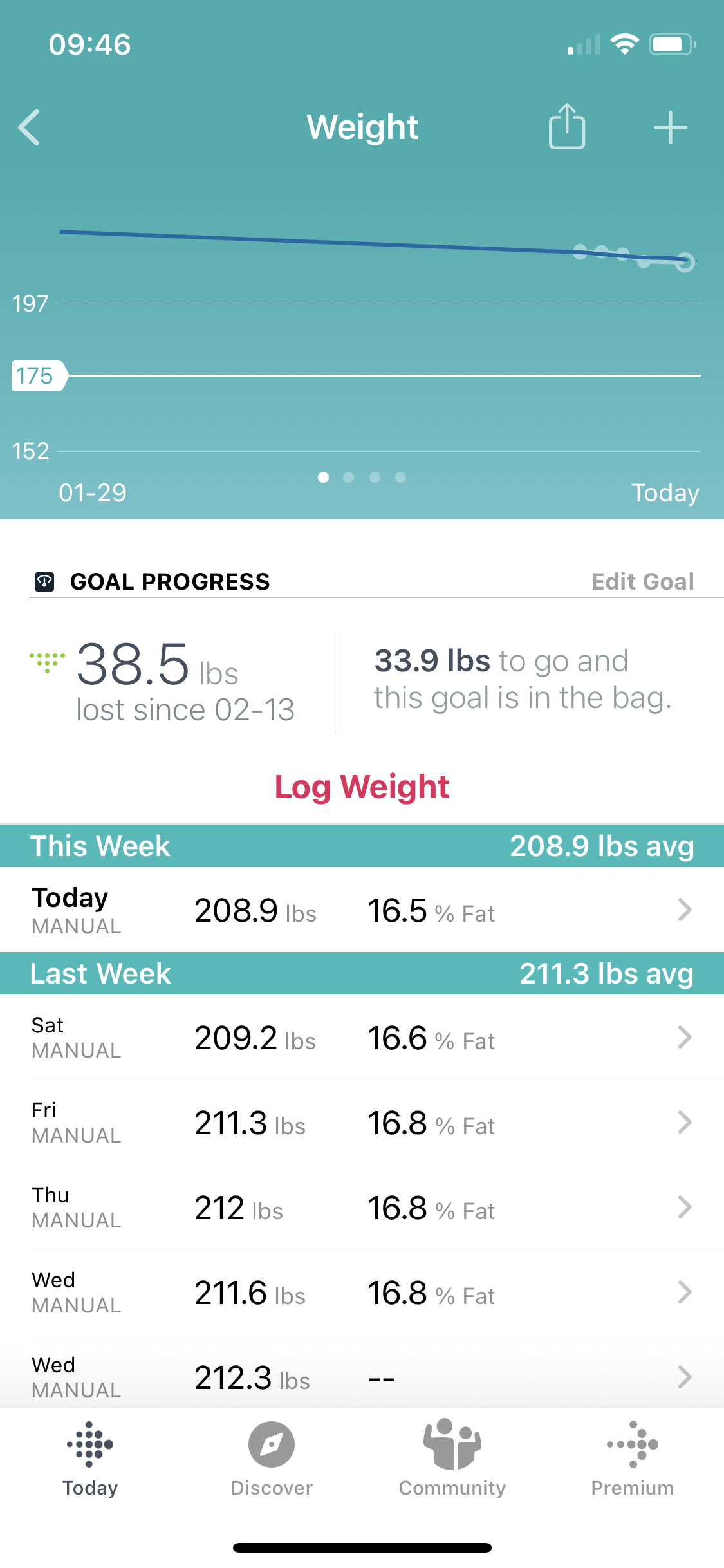
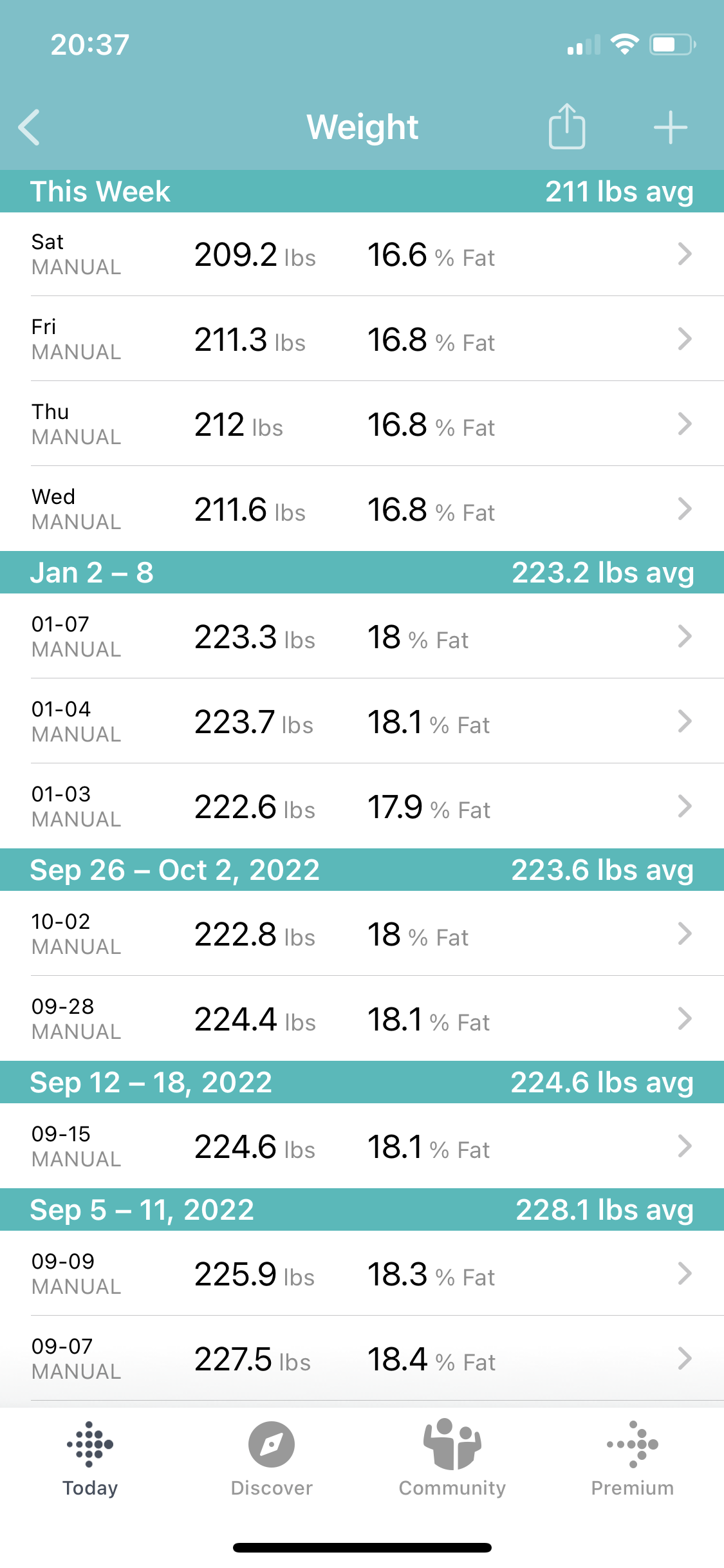
My weight chart (in pounds) - February 26, 2023.
TARGET WEIGHT > Between this range of weights then, we'll select a weight that is a goal weight for you, the weight that you would like to get to. It should be no lower than your HAMWI weight. It could be within 10 pounds either way of your STABLE weight. You want to select one weight that is within that range, where you felt good physically, where you felt good emotionally and it probably should be very close to that stable weight.
I know I don’t feel good at my stable weight as I know it’s not a healthy weight for me long term. It’s represented a point in my life where I’ve felt stuck. It’s also a weight where I’d been eating junk, and ultimately I had a stroke at this week. As such, I do want to reach my HAMWI weight. It’s what I weighed when I was in my late teens, and I felt energized at that weight, and I looked my best. I would only be okay being over this weight if it was in muscle mass.
TIMEFRAME > 1-2 pounds lost per week is healthiest.
At 209 pounds, to reach 178 pounds, I need to lose 31 pounds.
Short term goal: Lose 1-2 pounds per week.
This would take 16 weeks, or until June 17, 2023 at 2 pounds per week; or September 23, 2023 at 1 pound per week.
Ideally, I would very happy with reaching 178 pounds by the end of summer.
Long term goal: Lose 32 pounds by the end of August 2023.
2.4. Assignment 1 - My Goal Weight Statement
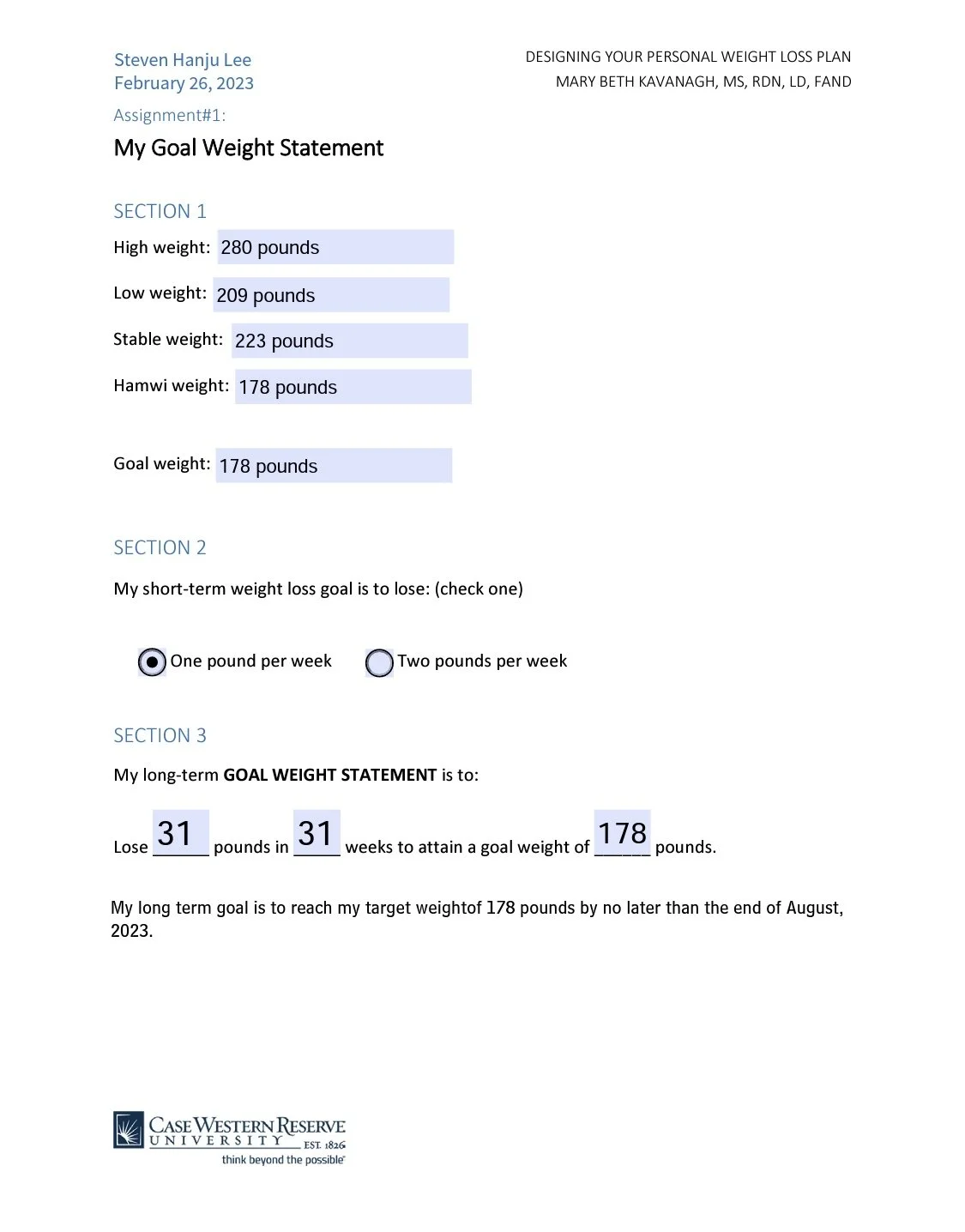
Assignment 1 - My Goal Weight Statement
Revised goal…
My short term goal is to lose 1-3 pounds per week.
My primary long term goal is to incorporate into my life a healthy way of living that includes taking concrete actions that allow me to develop solid habits which lead me to choose great food and exercises that I enjoy doing.
My secondary long term goal is to lose 30-35 pounds by the end of August 2023 to attain a weight of 175-180 pounds.